RGV-LS Digital Marketing Campaign: A Bilingual 3-Platform Launch Strategy
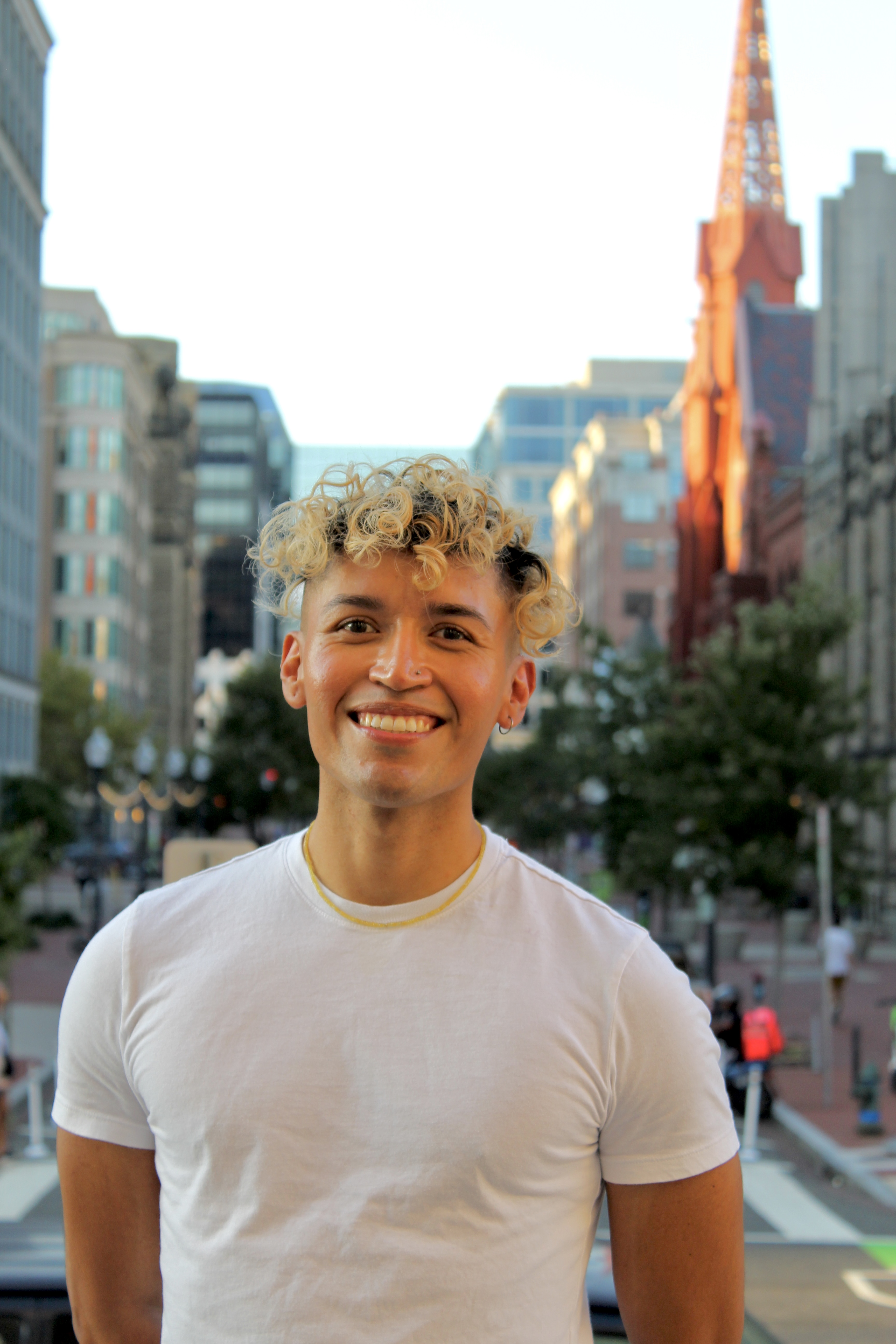
By Julio César Manzano, MBA | MKTG 620: Digital Marketing & Social Media, Abilene Christian University
Wait, how?
The market entry strategy answered whether RGV-LS could exist. MKTG 620 asked a harder question: how do you launch something in a bilingual community when you have no ad budget, no agency, and no corporate brand behind you?
It was still May 2021. I was still teaching on Zoom, still finishing my MBA at night, still watching classmates anchor their capstones to Lockheed Martin and national banks — places that already had logos, budgets, and built-in audiences.
RGV-LS had none of that. It had a fictional name, a real region I knew from growing up bilingual in South Texas, and a hard constraint— zero paid ad budget.

So I ran a survey. I asked parents and students where they spent time online, what kind of content they wanted, and whether they’d respond to bilingual posts. The answers pointed the same direction: Facebook for community and parent conversation, Instagram for visual discovery, YouTube when someone wanted to watch a tutorial or search for help on their own. That matched what I already saw in my own family and neighborhood — parents on Facebook, teens on Instagram, a
nd the kid who’d rather watch a walkthrough than read a flyer.
The Strategy
I had no social media management experience, but I realized tutoring is a family purchase. Parents need trust in Spanish. Teens need proof the brand is real. Some students look for help on their own, and one platform cannot do all three jobs. So, I built my little campaign around Facebook (parent community trust), Instagram (visual brand presence + tutor spotlights), and YouTube (long-form instructional content for SEO and credibility). Each platform served a different role in the funnel.
Facebook became the trust layer — bilingual parent testimonials, posts aligned to the school calendar, replies in the comments, and a community group where RGV-LS could feel local instead of corporate. Primary audience: parents 28–45, mostly Spanish-dominant.
Instagram carried the brand — tutor spotlights, promotion reels, Stories with trivia and giveaway reminders. Short, visual, human. Primary audience: students 14–22 and younger parents who discover services through their feed.
YouTube did the slow work — English and Spanish promo videos, COVID learning-gap explainers, walkthroughs that showed what a session might look like. Primary audience: students looking for self-directed support and anyone searching RGV education keywords.
Hashtag & Content Framework

I kept the hashtag system simple:
#RGVLS — brand anchor
#closingthegap — mission framing
#RGVstrong — community identity
#bilingualtutors — service and search targeting
Every asset had an English version and a Spanish version, written separately. Spanish for the parent who reads Facebook at night. English where students and search were the entry point. Hashtags tied the two streams together without making either feel like an afterthought.
Editorial Calendar
With no money for ads, the calendar was the strategy. I mapped November 2021 in three phases:
Pre-launch (6 weeks) — community storytelling and problem framing. Why tutoring mattered after COVID. What the learning gap looked like in the Valley.
Launch (2 weeks) — service announcement, tutor introductions, bilingual promo flyers and reels across all three platforms.
Post-launch (4 weeks) — student stories, academic tips, giveaways, community events. Keep the group alive after the announcement week.

That rhythm turned a class project into something that felt like a real launch instead of a burst of posts in week one and silence after.
What I learned
Platforms are jobs, not mirrors. Facebook held community trust for Spanish-dominant parents. Instagram carried tutor spotlights and visual identity for students and younger parents. YouTube did the slow work — instructional depth and search visibility. Copy-pasting the same message three ways would have failed; each channel needed its own tone and its own proof.
Bilingual is not “post it twice.” English and Spanish versions were written for how each audience actually talks — hashtags like #RGVLS and #RGVstrong anchored identity; #bilingualtutors pointed at the service. Translation-as-an-afterthought reads like translation. Native drafting reads like belonging.
Calendars beat inspiration. November 2021 was structured in phases — pre-launch problem framing, launch-week introductions, post-launch stories and tips. That rhythm is what made the campaign feel like a launch instead of a burst of posts.
Why it matters
For RGV families, discovery often happens in a Facebook group or a cousin’s share long before anyone clicks “book a session.” Designing for that behavior — bilingual, multi-platform, zero budget — is what this project was about.

This was academic work — fictional RGV-LS, real MKTG 620 rigor, real South Texas context. It is not a live business and not Camino Academy LLC.
#MBA-capstone #RGV-LS-academic #casestudy #digitalmarketing #bilingual
ACU MBA capstone · Rio Grande Valley Learning Solutions (fictional case) · not Camino Academy LLC. Pricing and positioning in this post are academic modeling only.
Course: MKTG 620 — Digital Marketing & Social Media, Abilene Christian University

Comments